

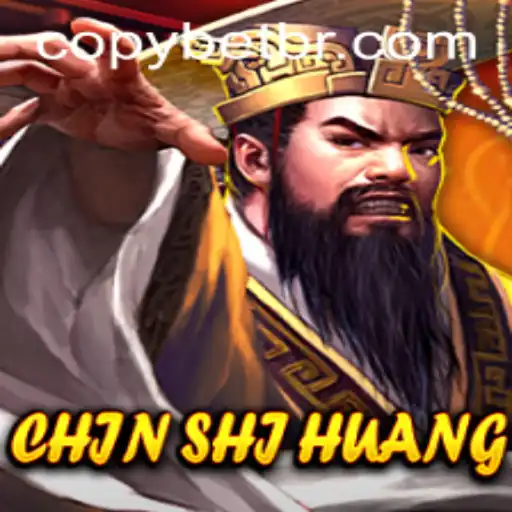
Explore the captivating world of ChinShiHuang, a strategy game that combines historical intrigue with modern-day strategic betting.
ChinShiHuang: A New Era in Gaming
Welcome to the fascinating world of ChinShiHuang, a strategy game set against the backdrop of ancient China. This game draws players into a rich tapestry of culture, politics, and warfare, as they navigate the complexities of the Qin dynasty. The integration of the novel "copybet" system adds a unique dimension, blending strategic decision-making with elements of chance, similar to contemporary betting practices.
The Historical Background of ChinShiHuang
ChinShiHuang takes players on an epic journey through the life and times of China's First Emperor, Qin Shi Huang. Known for his incredible achievements such as the unification of China and the construction of the Great Wall, Qin Shi Huang provides a compelling narrative backdrop. Players are immersed in a world where they must strategize to conquer territories, manage resources, and wield power amid intrigue and betrayal.
Introducing the Unique "CopyBet" System
One of the standout features of ChinShiHuang is the "copybet" system. This innovative mechanism allows players to mirror the strategies of their opponents, creating an element of unpredictability comparable to modern betting phenomena. In a world where the outcome of strategies can shift with the tide, players must balance bold decisions and calculated risks. The "copybet" system draws parallels to real-world events where information and choices are leveraged strategically, making ChinShiHuang not only a game of historical conquest but also a contemporary reflection on strategy and decision-making.
The Mechanics of ChinShiHuang
As players embark on their journey in ChinShiHuang, they are offered a variety of paths and strategies to pursue. The game is set in a vast open world, divided into numerous territories each ruled by different warlords. Players must engage in diplomacy, forge alliances, and sometimes wage war to expand their influence.
Building Empires: Players start with a modest territory and gradually build an empire through conquests and alliances. Every decision, from trade agreements to diplomatic treaties, impacts the stability and growth of their empire.
Resource Management: Efficient management of resources is crucial. Players must collect and allocate resources wisely to support their armies, build infrastructure, and maintain their domain.
Tactical Warfare: Warfare is an integral part of ChinShiHuang. Players command armies, tailoring their strategy to overcome opponents. Terrain, unit type, and battle formations play a critical role in determining victory.
CopyBet Strategy: The "copybet" system can be utilized during both military maneuvers and diplomatic negotiations. By mimicking successful strategies of opponents, players can gain an upper hand, adding complexity and ensuring that no two games are ever the same.
Modern-day Parallels and Strategic Insight
The inclusion of the "copybet" system reflects current global trends where intelligence, strategy, and betting intertwine. The modern world often witnesses strategic mimicry in fields such as finance and international relations, where successful tactics are mirrored by others to achieve similar outcomes. In ChinShiHuang, players experience this dynamic firsthand, gaining insights into how contemporary strategies are crafted, tested, and copied.
The game’s setting in the ancient world also enhances the player's appreciation of historical parallels seen in today's geopolitical landscape. Players learn about the influence of power dynamics, resource allocation, and alliances — elements still relevant in contemporary global politics. As players navigate the shifting centers of power and influence, they gain valuable lessons applicable beyond the gaming world.
ChinShiHuang offers not only an immersive gaming experience but also a reflective exploration of the art of strategy, reminiscent of the practices and tactical thinking prevalent both in the time of Qin Shi Huang and today's complex political and economic arenas.


0 Comments